
“One last question—”
The second-year advertising student looks up from his notebook.
He shifts in his seat. “What’s the most important skill for a copywriter to develop?”
I’ve chatted with a few students this year. They all ask this question.
Writing is the obvious answer.
The best copywriters hone their chops. They practise. Daily.
They study the craft, refine their voice, and perfect their process.
Research is another answer.
You need to see beneath the data.
Be an investigator. Find the insights. Turn them into messages that move people and businesses towards their goals.
Creative thinking is table stakes.
Writing is one part of the job. Your creative ideas need a strategy, backed by insights.
Plus, you’re expected to develop big ideas and campaign concepts. Not just great lines.
Also, speed is a requirement because AI ‘writes’ faster than you.
And every client request is URGENT and deadlines are always around the corner.
Presentation skills are important. As are sales skills.
Your best ideas die in the drafts if you can’t pitch and sell them.
Copywriters are in the business of persuasion, after all.
Teamwork is critical. You need to collaborate and set aside your ego for the greater good.
So is independence. You need to own your process and your to-do list.
You need thick skin.
Your words are scrutinized. By your peers. By your bosses and clients. By your sister’s boyfriend’s third cousin, Wilbur.
Copywriters are wise to develop all of these skills and then some.
I don’t say any of that.
Instead, I lean back and look around at the other students in the cafeteria.
Some sit alone staring at laptops with furrowed brows, studying or working on assignments.
Others sit in groups, snacking and laughing and enjoying free time between classes.
“Empathy,” I finally answer, “is the number one skill today’s copywriters should develop.”
“If you make someone feel seen, heard, and understood, they’re more likely to trust you.”
Masters of the craft obsess over the audience. They study human psychology, sometimes neuroscience.
They don’t just learn about the person on the other end. They try to see and experience the world exactly as that person does.
That’s how you write copy that resonates.
That’s how you tap into emotions like envy and desire, capture attention, and compel action.
“Empathy, eh?” The student writes the word in capital letters.
“Yup.” I take the last sip of my coffee.
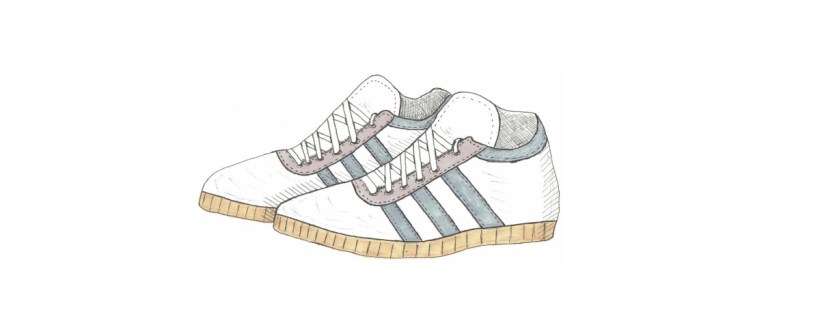
“If you want to move somebody, step into their shoes.”
~
Want words that make people feel something?
I’m Cory, copywriter and strategic storyteller for brands that put craft—and the human—first.
My calendar is now open. Let’s chat.