
Any role.
Any industry.
At any time in your career.
You’re judged in some way. Based on results and your performance, during annual reviews and at random.
Some call it constructive criticism. In the creative industry, it’s called feedback.
Feedback is part of the process…blah-fucking-blah, we get it.
That’s the point: we get it.
All. The. Time.
- We get feedback from team members and bosses
- From clients and the public
- From family and friends
Worse, we get feedback from ourselves. (You wouldn’t believe the shit my inner critic says.)
But it’s part of the process, right?
It’s part of the gig, for sure.
Approved without changes is rare. Revisions and redos are more common. “Can we make the image more vibrant?” they wonder. “And more key messaging plz.”
Thing is, when you get feedback on everything you do—everything you create, every idea you put in a deck—it can take a toll.
We don’t always manage it well.
We don’t always talk about that part.
We don’t like to admit that part.
Keep it cringey
It’s hard not to get attached to what you put out into the world.
It’s hard not to judge it once you do.
Because you want it to be good. Because you want it to be better. Because it’s not your best yet. (Is it ever?)
Well, creativity is a cumulative act.
Everything’s a stepping stone. Every campaign launched and project finished, every stupid idea and failed attempt—it all adds up.
“When you look back at your old work and cringe, it’s not because the work was bad. It’s because your standards are higher.”
Point is, your style, talent, and taste evolves. So should your relationship with feedback.
It’s not personal
Criticism and feedback are two different things. One’s malicious. One’s neither good nor bad, it just is.
Still, the lines blur and you can’t avoid the confusion.
But you can stop caring so much.
⇨ Fuck the haters. Honour the helpers.
It really is part of the process
And it really is helpful (most of the time).
Feedback is often the difference between something good and something that kicks ass. The trick is deciphering value from noise.
True creative genius lies in an open mind: the ability to accept feedback without ego and implement it for the greater good.
⇨ Don’t get in your own way.
Last (and definitely least)
Sometimes we have to do what we’re told. Regardless of our expertise, regardless of what’s in the best interest of the work.
Swallow your pride and abide. Few of us are in a position to override feedback whenever we want.
⇨ Let it go. It’s not personal, remember?
What I’m really trying to say is…
Don’t attach yourself to feedback.
Don’t attach yourself to the work.
Get attached to your purpose
Few things can sustain you through the ebb and flow of creativity and creation. Not money, not ego, not even straight up hard work.
A grand ole purpose can.
Thing is, defining it is up to you.
“My purpose boils down to enjoying life and work—to find a sliver of satisfaction during the most deflating days.”
Simple as that. [insert nervous laugh]
Seriously, when it comes to your purpose, don’t make it about ego or being the best. Make it about learning, growing, and challenging your own status quo
Make it personal, controllable.
And accept that it doesn’t make the work easier (#SorryNotSorry).
Once in a while, feedback still derails me and my creativity. “Fuck this shit!” still echoes in my head now and then.
Luckily, I have a purpose to ground myself with.
⇨ Return to it. Reflect on it. Reorient as needed.
The catch-22
The thing about feedback is the thing about personal growth: it’s a driver and a danger.
Feedback can help you improve the work.
Growth can give you a goal and move you forward.
Or not.
Self-improvement has two dark sides:
- You’re never satisfied
- Impostor syndrome
Self-satisfaction leads to ambition, which leads to accolades and advantages. Ambition also leads to momentary satisfaction.
Because ambition is insatiable. (Hungry as fuck is more like it.)
You feed the beast but the beast wants more and more—you do the work but the work’s not good enough so you do more and more.
And more…
That’s the problem with wanting to get better and knowing greatness lies ahead: the climb never ends.
Anticipation becomes impatience, becomes insecurity, becomes uncertainty.
That’s when feedback triggers fight, flight, or freeze.
Buddy up, bitches
Listen, everybody wants the work to be great, from the people doing it to the people paying for it.
Nobody wants to sabotage the work. Or you. (That’s why feedback isn’t personal.)
Remember:
- Some people just want to be part of the process—delivering feedback helps them feel involved
- Some people have a poor bedside manner—blunt is their communication style
- Some people don’t know what they want—until they see what they don’t want
And some people are just assholes.
Point is, think about where feedback is coming from: team members, leadership, clients.
It’s all for one, one for all. Not every man for himself.
⇨ Be empathetic. Be easy to work with.
The long and short (memory) of it
A career as a professional creative is no easy feat.
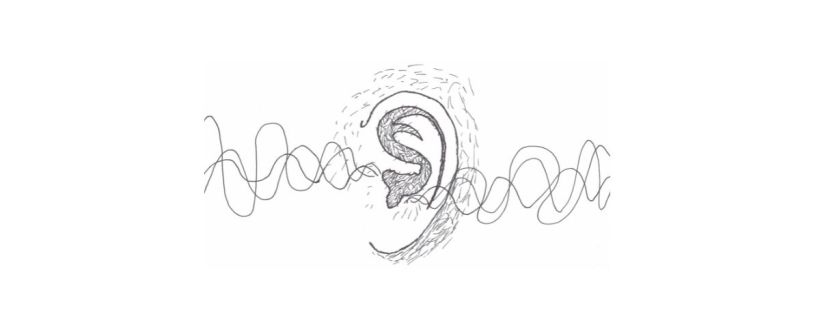
There’s often a lot of static and not much clarity. Especially when it comes to feedback.
I think it’s one of the hardest challenges to overcome in our industry, managing criticism and the emotions it stirs.
“Because when we put ourselves into our work, we put ourselves on display by extension.“
It’s natural to get defensive when others judge your work. After all, they’re judging you, right?
It feels like it, at least.
To sum up
I don’t have it all figured out.
Some days, I handle feedback like a seasoned Stoic. Other days, like a snake handler on his first day with a King Cobra.
The best advice I have:
- Let go of the mean-spirited, opinionated, and otherwise useless criticism
- Hold onto whatever makes the work better
Oh, and it’s worth repeating—it’s not personal. If it is, it’s not helpful. So don’t waste your time, energy, and attention being Sunday Scared about it.
⇨ Short memory. Long memory. Remember to give yourself some grace.
Stop doubting. Keep building.

 The Davis Daily
One thought on “Creative static”